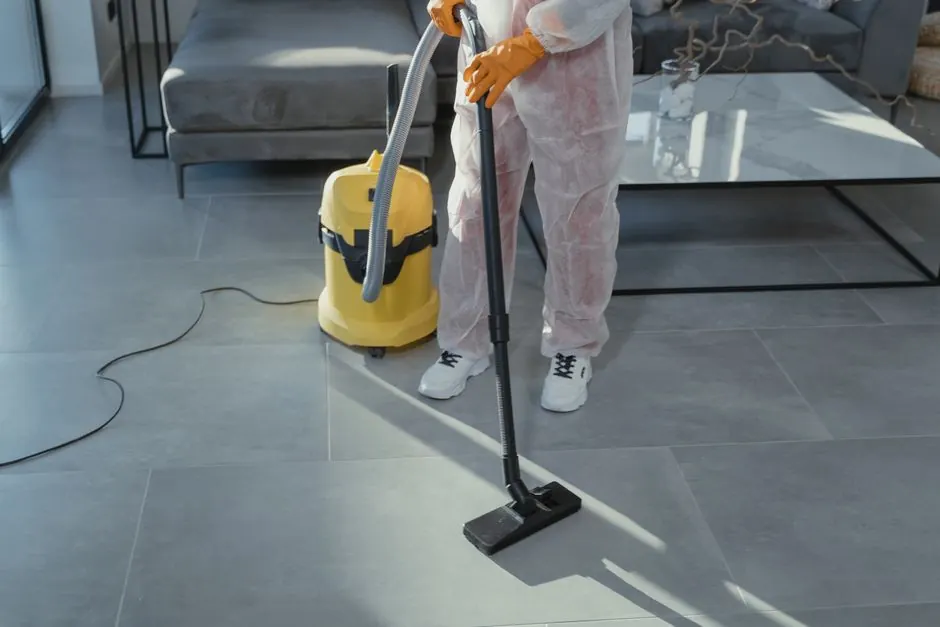
Water damage can lead to serious issues in your home, particularly the growth of mold. Knowing how to remove mold after water damage in your home is crucial to maintaining a safe and healthy environment. This article provides detailed steps and tips tailored for homeowners in Colorado Springs facing mold issues.
Mold thrives in damp environments, and after water damage, it can begin to grow within 24 to 48 hours. Understanding the conditions that promote mold growth is the first step in addressing the problem effectively.
Understanding Mold Growth
Mold spores are present in the air and can enter your home through various means, such as open windows, doors, or even on clothing. When water damage occurs, it creates a perfect breeding ground for mold. In Colorado Springs, the combination of humidity and temperature fluctuations can exacerbate mold issues, making prompt action essential.
- Common types of mold found in homes include:
- Aspergillus
- Penicillium
- Stachybotrys (black mold)
Each type of mold can pose different health risks, particularly to individuals with respiratory issues or weakened immune systems. Therefore, identifying and addressing mold growth quickly is vital.
Steps to Remove Mold
Here's a comprehensive guide on how to remove mold after water damage in your home:
- Assess the Damage: Before you start cleaning, evaluate the extent of the mold growth. If it covers more than 10 square feet, consider hiring professionals as it may require specialized equipment and techniques.
- Protect Yourself: Wear protective gear, including gloves, goggles, and a mask, to prevent inhalation of mold spores.
- Contain the Area: Seal off the affected area to prevent mold spores from spreading to other parts of the home. Use plastic sheeting to cover doorways and vents.
- Remove Affected Materials: Discard porous materials that cannot be cleaned, such as drywall, carpets, and insulation. Ensure these items are sealed in plastic bags before disposal.
- Clean Surfaces: Use a mixture of water and detergent or a commercial mold remover to scrub non-porous surfaces. For stubborn mold, a solution of one cup of bleach to one gallon of water can be effective.
- Dry the Area: Use fans and dehumidifiers to dry the area completely. Mold thrives in moisture, so ensuring everything is dry is crucial.
- Monitor for Recurrence: After cleaning, keep an eye on the area for any signs of mold returning. Regular inspections can help catch any issues early.
Following these steps will help you effectively manage mold removal after water damage in your home.
Preventing Future Mold Growth
Once you've removed the mold, preventing its return is essential. Here are some effective mold remediation tips Colorado Springs homeowners should consider:
- Control Humidity: Maintain indoor humidity levels below 60% using dehumidifiers.
- Improve Ventilation: Ensure proper ventilation in areas prone to moisture, such as bathrooms and kitchens.
- Regular Inspections: Check for leaks and water damage regularly, especially after heavy rains or snowmelt.
- Use Mold-Resistant Products: When renovating, consider using mold-resistant drywall and paints.
Common Mistakes to Avoid
When dealing with mold removal, homeowners often make mistakes that can worsen the situation:
- Ignoring Small Problems: Even small patches of mold can indicate larger issues.
- Using Inadequate Cleaning Methods: Household cleaners may not be effective against all types of mold.
- Not Addressing Moisture Sources: Without fixing the underlying cause of moisture, mold will likely return.
When to Call a Professional
Sometimes, mold removal can be more complex than homeowners can handle. If you notice extensive mold growth, or if the mold is in hard-to-reach areas, it's wise to seek help. Professional Mold Remediation Colorado Springs CO services can provide the expertise and equipment necessary to ensure thorough removal and prevention of future growth.
Frequently Asked Questions
How do I remove mold after water damage in Colorado Springs?
Start by assessing the damage, protecting yourself, containing the area, and removing affected materials. Clean surfaces with appropriate solutions and ensure everything is completely dried.
What are the best ways to get rid of mold in Colorado Springs?
The best methods include using commercial mold removers or a bleach solution, ensuring proper ventilation, and maintaining low humidity levels in your home.
Are there local services for mold removal in Colorado Springs?
Yes, there are many local services that specialize in mold removal. Look for companies that offer mold remediation solutions for water damage in Colorado Springs.
What should I do if I find mold after water damage in Colorado Springs?
Immediately assess the extent of the mold, take protective measures, and follow the steps outlined for mold removal. If the problem is severe, consider hiring a professional.
Is mold removal covered by insurance in Colorado Springs?
Many homeowners' insurance policies cover mold removal if it results from a covered peril, such as water damage. Check your policy for specifics.